Dental Bonding vs Veneers in Punta Cana
Cosmetic Dentistry, Dental Bonding vs Veneers Punta Cana
Dental Bonding vs Veneers in Punta Cana: Which Is Right for Your Smile?
Thinking about traveling to Punta Cana to upgrade your smile? Many patients from the USA and Canada compare dental bonding vs veneers in Punta Cana and wonder which option offers the best mix of cost, durability, and aesthetics. At Top Dentist Bávaro, we help patients every day decide between these two cosmetic treatments based on their goals, lifestyle, and budget.

What Is Dental Bonding?
Dental bonding is a minimally invasive cosmetic procedure where a tooth-colored resin material is applied to the tooth, shaped, and then hardened with a special light. It is often called composite bonding and is widely used to fix small chips, close minor gaps, cover discoloration, or reshape slightly uneven teeth. For many travelers, it is the quickest and most affordable way to refresh their smile during a short stay in the Dominican Republic.
During bonding, your dentist gently roughens the tooth surface, applies a conditioning liquid, and then layers the composite resin. The material is carefully sculpted to match your natural tooth shape and shade before being hardened and polished. There is usually little to no enamel removal, and anesthesia is often not needed unless the tooth is decayed or sensitive. This makes bonding a conservative, reversible option compared with veneers.
However, bonding materials are more porous than porcelain. Over time, coffee, tea, red wine, and smoking can stain the resin. Bonding can also chip more easily than veneers, especially if you grind your teeth or bite hard foods. Many patients see bonding as a great “entry-level” cosmetic treatment or a budget-friendly way to test a new smile before committing to veneers later on.
What Are Veneers? (Porcelain and Composite)
Veneers are thin shells that cover the front surface of your teeth to change their color, shape, and overall appearance. They are a popular choice for full smile makeovers because they can correct multiple issues at once: discoloration, worn edges, gaps, minor misalignment, and irregular shapes. When people talk about a “Hollywood smile,” they are usually referring to veneers, not bonding.
Porcelain Veneers
Porcelain veneers are crafted from high-strength ceramic. They are known for their exceptional translucency and lifelike appearance, closely mimicking natural enamel. Porcelain is highly stain-resistant and can last 10–15 years or more with good care, making it a long-term investment in your smile. Because they are custom-made in a dental lab, porcelain veneers usually require at least two visits and a small amount of enamel removal to ensure a perfect fit.
Composite Veneers
Composite veneers use the same type of resin as dental bonding, but they are applied to cover more of the tooth surface, often several teeth in a row. They can sometimes be completed in a single visit and are generally more affordable than porcelain. However, they are less stain-resistant and may not last as long. For some patients, composite veneers are a middle ground between simple bonding and high-end porcelain veneers, especially when planning cosmetic work during a vacation in Punta Cana.
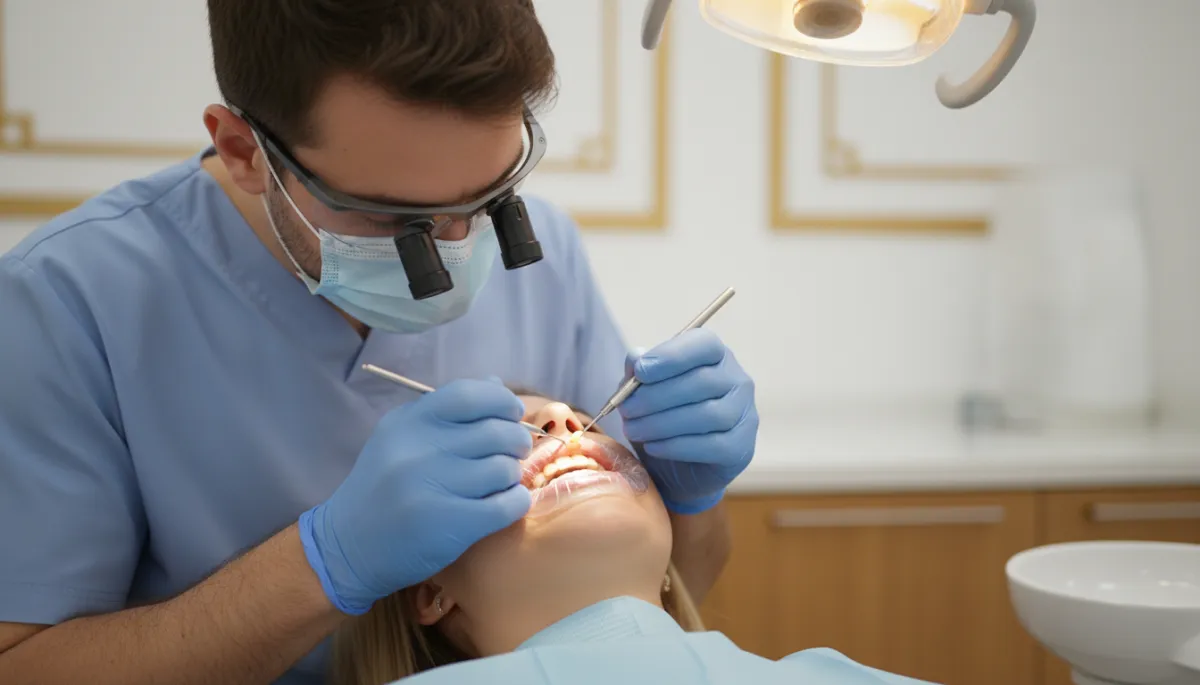
Careful planning and technique ensure cosmetic work looks natural in every light.
Head-to-Head Comparison: Bonding vs Veneers
| Factor | Dental Bonding | Veneers (Porcelain / Composite) |
|---|---|---|
| Cost per tooth (USA) | Approx. $300–$600 | Approx. $1,500–$2,500 |
| Cost per tooth (Punta Cana) | Approx. $50–$150 (estimate) | Approx. $400–$600 (average range) |
| Durability | Moderate; more prone to chips and stains | High; porcelain especially is very strong and stain-resistant |
| Aesthetics | Excellent for small changes | Superior for full smile makeovers and uniform results |
| Prep required | Minimal or none; usually no enamel removal | Porcelain: enamel reduction needed; Composite: minimal prep |
| Procedure time | Usually one visit, 30–60 minutes per tooth | Porcelain: 2–3 visits; Composite: often one visit |
| Candidacy | Mild chips, gaps, discoloration, shape tweaks | Moderate to major cosmetic changes, multiple teeth |
| Lifespan | Around 3–7 years with good care | Porcelain: 10–15+ years; Composite: 5–7 years on average |
Ready to discuss your options with a cosmetic dentist in Bávaro?
📅 Book an appointment💬 Chat on WhatsApp
Dental Bonding Cost in Punta Cana vs USA
In the United States, dental bonding typically costs $300–$600 per tooth, and more complex cosmetic cases can be higher. According to recent cost analyses, simple repairs may start around $100–$200, but most cosmetic bonding sits in the $300–$400 range or more per tooth. Insurance rarely covers bonding when it is done purely for aesthetics, so many patients pay out of pocket.
In Punta Cana and the broader Dominican Republic, prices are significantly lower. Based on current estimates, patients can expect approximately $50–$150 per tooth for composite bonding in a quality clinic, with high-end tourist practices potentially reaching up to around $200. Even at the top of this range, you are often saving 50–70% compared with typical U.S. fees. This makes composite bonding in Dominican Republic highly attractive if you need several teeth treated in a single trip.
Exact pricing depends on how many teeth are involved, whether any decay must be treated first, and the level of cosmetic detail you request. It is wise to request photos, X-rays, or a short video consultation before traveling so the dentist can estimate the number of surfaces to be bonded and give you a more precise quote.
Veneer Cost in Punta Cana vs USA
In the USA and Canada, porcelain veneers usually range from $1,500–$2,500 per tooth. A full smile makeover of 8–10 upper teeth can easily reach $15,000–$25,000 or more. Composite veneers cost less but can still be a major investment when multiple teeth are involved. Because veneers are considered cosmetic, they are rarely covered by dental insurance plans in North America.
In Punta Cana, the picture is very different. While prices vary between clinics and packages, a realistic average for individual veneers is around $400–$600 per tooth, depending on whether you choose composite or porcelain and how many veneers you need. Full-arch or full-mouth packages can bring the per-tooth cost even lower, which is why many patients travel specifically for veneers or bonding cost savings combined with a Caribbean vacation experience.
When comparing veneers or bonding cost, remember to factor in travel expenses as well as the long-term value of a durable, stain-resistant material like porcelain. For many patients, even after flights and accommodation, veneer treatment in Punta Cana still comes out significantly cheaper than having the same work done at home.
When Is Bonding the Better Choice?
Bonding is often the best option if you:
- Have a limited budget but want noticeable cosmetic improvement.
- Need to fix one or two teeth with small chips, cracks, or gaps.
- Prefer a non-invasive, reversible treatment with minimal enamel removal.
- Are unsure about committing to veneers and want to “test drive” a new shape or color first.
- Have enough enamel and generally healthy teeth that do not require extensive structural changes.
For travelers, bonding is also ideal when you have a short stay in Punta Cana. Many cases can be completed in a single visit, leaving you plenty of time to enjoy the beach while still returning home with a fresher, more confident smile.
When Are Veneers the Better Choice?
Veneers may be the superior choice if you:
- Want a dramatic, long-lasting smile transformation across many teeth.
- Have deep discoloration, worn edges, or irregular shapes that bonding cannot fully mask.
- Prefer a material that is highly stain-resistant and maintains its shine for many years.
- Are comfortable with a permanent solution that involves some enamel removal (for porcelain).
- Are already investing in travel and want to maximize the value of your trip with a comprehensive makeover.
For many patients comparing dental bonding vs veneers Punta Cana, veneers provide the “wow” factor they are seeking—especially when combined with professional whitening and careful smile design tailored to their face, skin tone, and personality.
Can I Get Both Done in One Trip to Punta Cana?
In many cases, yes. A well-planned cosmetic treatment can combine bonding and veneers in a single trip, depending on how many teeth are involved and how many days you are staying. For example, you might choose porcelain veneers on the upper front teeth that show most when you smile, and use bonding or composite veneers on lower teeth to balance cost and aesthetics.
Porcelain veneers typically require at least two visits several days apart: one for preparation and impressions, and another for placement. Bonding and composite veneers can often be completed in a single visit. With good scheduling, it is realistic to complete a combined treatment plan within a week-long vacation, especially if you arrange a pre-evaluation and share photos before you arrive.
What Does Top Dentist Bávaro Recommend?
At Top Dentist Bávaro, our philosophy is simple: the “right” treatment is the one that fits your smile, budget, and long-term plans. We do not push veneers on patients who only need minor improvements, and we do not recommend bonding when we know it will not meet your expectations over time.
For small chips, isolated gaps, or one or two discolored teeth, we often suggest starting with bonding or targeted composite veneers. For patients seeking a full smile makeover, especially those traveling from the USA or Canada to take advantage of favorable veneers or bonding cost in Punta Cana, we frequently design a porcelain veneer plan that balances esthetics, function, and durability for the next decade or more.
The best way to decide is through a personalized evaluation, including photos, digital smile design when appropriate, and a clear explanation of costs and timelines before you book your flights.
Ready to explore your options for dental bonding vs veneers in Punta Cana with Top Dentist Bávaro?